
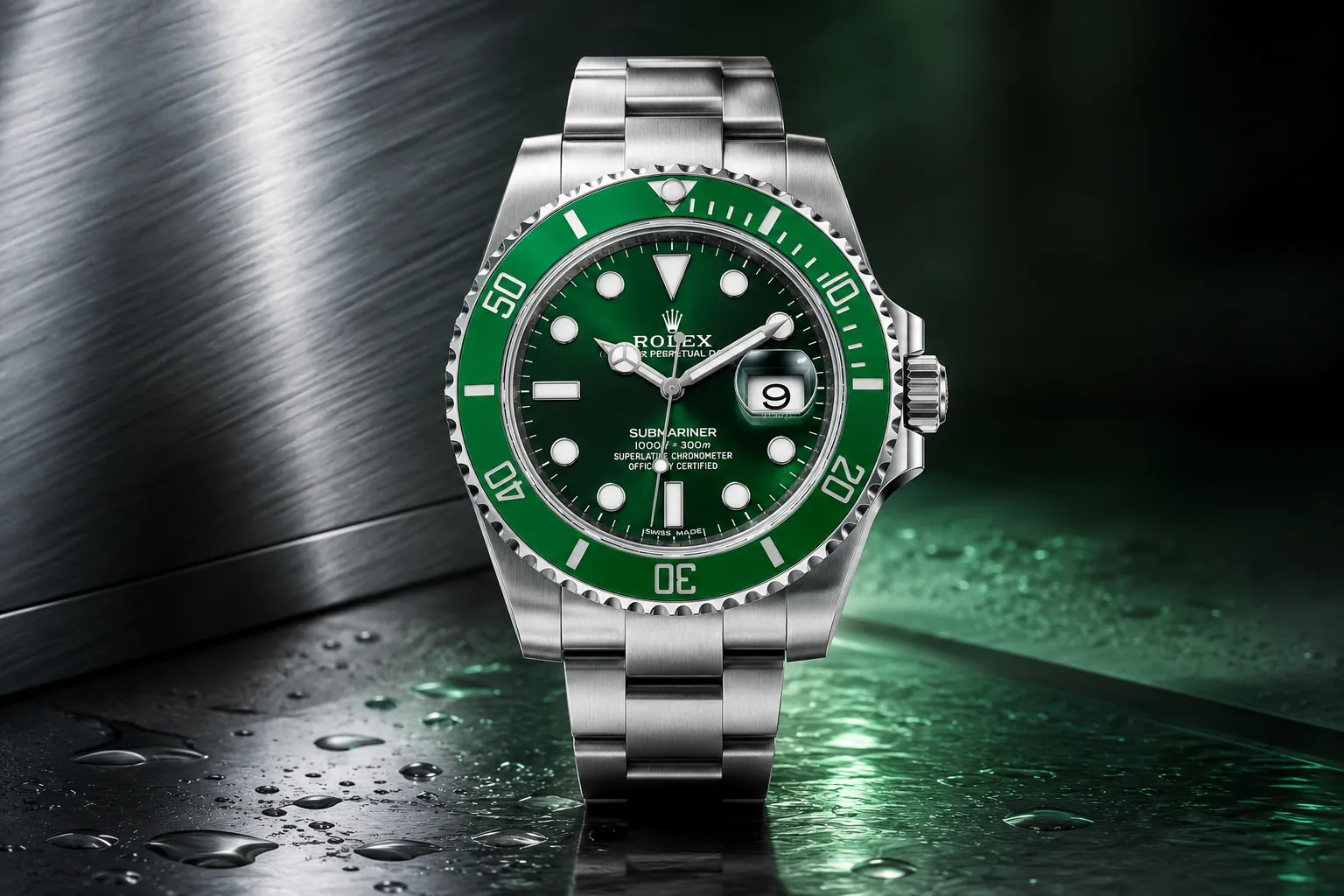
Όταν πρόκειται για Rolex, οι περισσότεροι άνθρωποι σκέφτονται αμέσως την κύρος, το σχέδιο και την μακροχρόνια αξία. Αλλά αυτό που πραγματικά καθορίζει ένα ρολόι Rolex δεν είναι μόνο η εμφάνισή του—είναι από τι είναι φτιαγμένο.
Η Rolex επενδύει σημαντικά στην επιστήμη των υλικών, αναπτύσσοντας ιδιόκτητα κράματα και κεραμικά που ξεπερνούν κατά πολύ τα παραδοσιακά πρότυπα ωρολογοποιίας. Δύο από τα πιο σημαντικά παραδείγματα είναι το Oystersteel και η κεραμική στεφάνη Cerachrom.
Ας ρίξουμε μια πιο προσεκτική ματιά σε αυτό που τα κάνει ξεχωριστά.
Oystersteel: Περισσότερο από απλό ανοξείδωτο χάλυβα
Με την πρώτη ματιά, το Oystersteel μοιάζει με κανονικό ανοξείδωτο χάλυβα—αλλά στην πραγματικότητα είναι η δική της εκλεπτυσμένη έκδοση χάλυβα 904L, ένα υλικό που χρησιμοποιείται συνήθως σε βιομηχανίες υψηλής απόδοσης όπως η αεροδιαστημική και η χημική μηχανική.
Αυτό που το ξεχωρίζει δεν είναι μόνο η αντοχή του, αλλά και η συμπεριφορά του με την πάροδο του χρόνου.
Κύρια πλεονεκτήματα του Oystersteel:
- Εξαιρετική αντοχή στη διάβρωση, ακόμη και σε θαλασσινό νερό και υγρά περιβάλλοντα
- Υψηλότερη ποιότητα γυαλίσματος, προσφέροντας μια πιο φωτεινή και «πολυτελή» λάμψη
- Μακροχρόνια σταθερότητα επιφάνειας, που σημαίνει ότι δεν θα θολώσει ή γεράσει εύκολα
- Βελτιωμένη αντοχή στις γρατσουνιές σε σύγκριση με τον τυπικό χάλυβα 316L
Οι περισσότερες μάρκες ρολογιών χρησιμοποιούν χάλυβα 316L, ο οποίος είναι ήδη ανθεκτικός. Η Rolex προχωρά παραπέρα επιλέγοντας ένα πιο ακριβό και δύσκολο στην επεξεργασία κράμα, διότι αποδίδει καλύτερα σε πραγματικές συνθήκες—όχι μόνο θεωρητικά.
Το αποτέλεσμα είναι ένα ρολόι που εξακολουθεί να φαίνεται εκλεπτυσμένο ακόμη και μετά από χρόνια καθημερινής χρήσης.
Cerachrom Στεφάνη: Σχεδιασμένη να μην ξεθωριάζει ποτέ
Μια άλλη σημαντική καινοτομία της Rolex είναι η κεραμική στεφάνη Cerachrom, ένα υλικό υψηλής τεχνολογίας που χρησιμοποιείται σε πολλά σύγχρονα αθλητικά μοντέλα.
Σε αντίθεση με τις παραδοσιακές αλουμινένιες στεφάνες, οι οποίες μπορεί να ξεθωριάσουν, να γρατσουνιστούν ή να αποχρωματιστούν με την πάροδο του χρόνου, η Cerachrom έχει σχεδιαστεί ώστε να παραμένει οπτικά αμετάβλητη για δεκαετίες.
Γιατί έχει σημασία η Cerachrom:
- Σχεδόν εντελώς ανθεκτική σε γρατσουνιές επιφάνεια
- Αντοχή στο UV και σταθερότητα χρώματος (χωρίς ξεθώριασμα στον ήλιο)
- Πολύ γυαλιστερή επιφάνεια που αντέχει στη φθορά
- Καθαροί χαραγμένοι δείκτες γεμάτοι με πολύτιμα μέταλλα όπως πλατίνα ή χρυσό
Ένας από τους πιο εντυπωσιακούς τομείς είναι η διαδικασία κατασκευής. Η Rolex χρησιμοποιεί προηγμένες τεχνικές λέιζερ και ακριβείας για να διασφαλίσει ότι οι αριθμοί παραμένουν καθαροί, ευανάγνωστοι και πολυτελείς ταυτόχρονα.
Με απλά λόγια: είναι κατασκευασμένο για να φαίνεται νέο για μεγάλο χρονικό διάστημα, όχι μόνο τους πρώτους μήνες.
Γιατί η Rolex εστιάζει τόσο πολύ στα υλικά
Η Rolex δεν επιλέγει υλικά με βάση το κόστος—τα επιλέγει με βάση την απόδοση με την πάροδο του χρόνου.
Τanto το Oystersteel όσο και η Cerachrom αντικατοπτρίζουν μια βασική φιλοσοφία:
Ένα Rolex δεν πρέπει μόνο να φαίνεται καλό όταν το αγοράζετε, αλλά να εξακολουθεί να αισθάνεται premium δεκαετίες αργότερα.
Γι' αυτό η Rolex ξοδεύει χρόνια αναπτύσσοντας και δοκιμάζοντας υλικά πριν φτάσουν ποτέ στην παραγωγή. Ο στόχος είναι η συνέπεια—αντοχή στη γήρανση, τη φθορά και τις περιβαλλοντικές ζημιές.
Είναι επίσης ο λόγος που τα ρολόγια Rolex συχνά διατηρούν την οπτική τους απήχηση και αξία καλύτερα από πολλές άλλες πολυτελείς μάρκες.
Τελικές Σκέψεις
Το Oystersteel και η Cerachrom δεν είναι απλώς τεχνικές αναβαθμίσεις—είναι το θεμέλιο της φήμης της Rolex για ανθεκτικότητα και μακροχρόνια διάρκεια.
Η κατανόηση αυτών των υλικών σας δίνει μια πιο καθαρή εικόνα του τι πληρώνετε πραγματικά: όχι μόνο ένα πολυτελές αξεσουάρ, αλλά ένα κομμάτι μηχανικής σχεδιασμένο να διαρκεί.
