
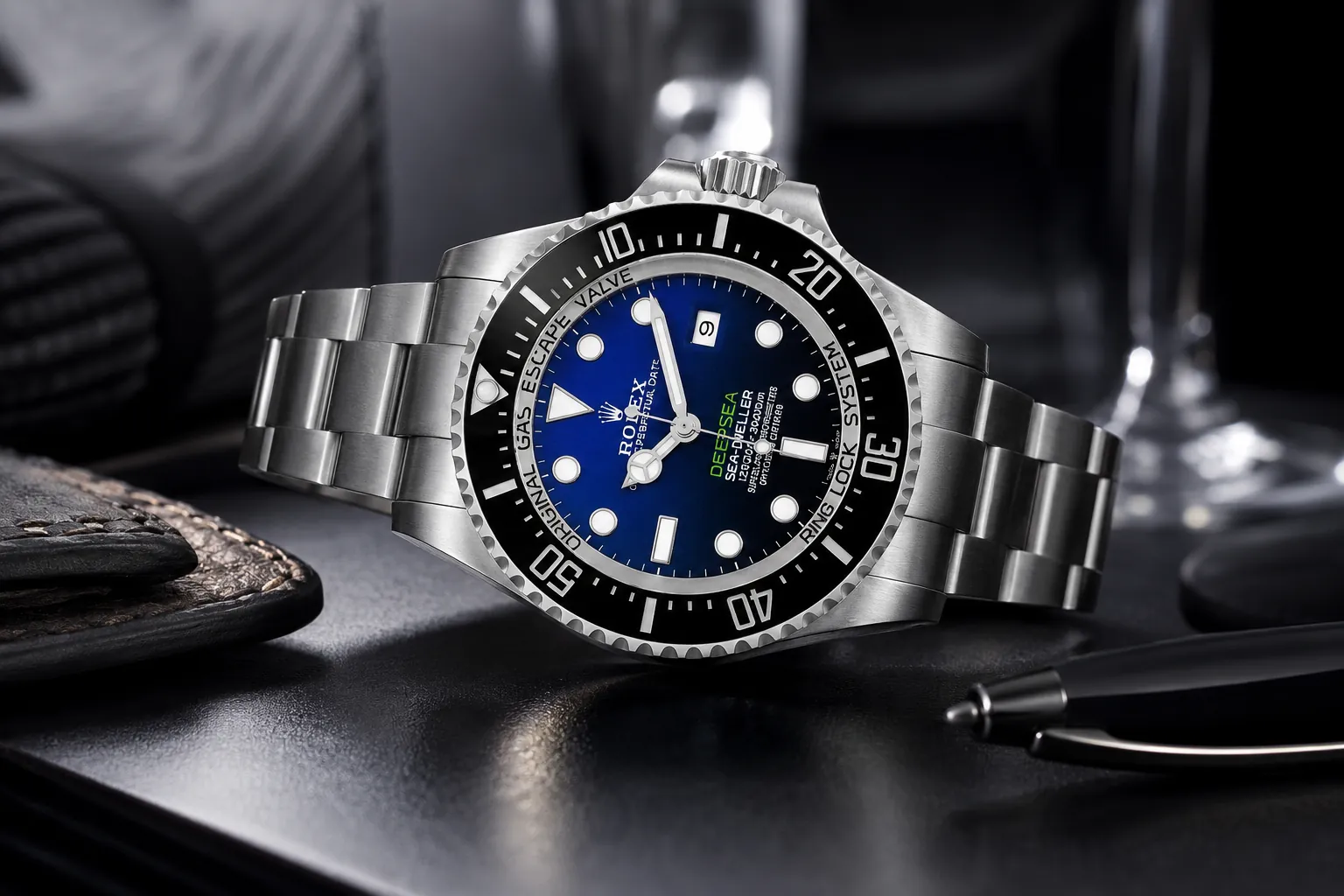
यह सवाल अक्सर उठता है जितना आप सोच सकते हैं: उच्च गुणवत्ता वाली नकल घड़ियाँ असली लक्ज़री मॉडलों के कितनी करीब हैं जिनकी वे नकल करती हैं? आधुनिक निर्माण तकनीकों, उन्नत गति, और अत्यधिक विस्तृत फिनिशिंग के साथ, यह अंतर पहले से कहीं छोटा है—लेकिन यह अभी भी मौजूद है।
सच्चे उत्तर को समझने के लिए, आपको सतह के परे देखना होगा।
पहला प्रभाव: जहाँ नकल ने लंबा सफर तय किया है
यदि आप एक उच्च गुणवत्ता वाली नकल घड़ी को एक असली लक्ज़री टाइमपीस के बगल में कलाई पर रखते हैं, तो अधिकांश लोगों की पहली प्रतिक्रिया आमतौर पर यही होती है: वे आश्चर्यजनक रूप से समान दिखते हैं।
आधुनिक उच्च-ग्रेड नकल अक्सर निम्नलिखित की नकल करती हैं:
- केस का आकार और आयाम
- डायल लेआउट और टाइपोग्राफी
- ब्रेसलेट संरचना और वजन संतुलन
- बेज़ल डिज़ाइन और फिनिशिंग शैली
एक नज़र में, विशेष रूप से सामान्य प्रकाश या दैनिक पहनने की स्थितियों में, दृश्य अंतर बहुत सूक्ष्म हो सकता है।
यही वह जगह है जहाँ नकल घड़ियाँ सबसे अधिक सुधारित हुई हैं—बाहरी उपस्थिति और कलाई पर उपस्थिति।
सामग्री और अनुभव: पहला ध्यान देने योग्य अंतर
हालांकि दृश्य समानता प्रभावशाली हो सकती है, असली अंतर अक्सर तब शुरू होता है जब आप घड़ी को संभालते हैं।
असली लक्ज़री घड़ियाँ उपयोग करती हैं:
- स्वामित्व वाले स्टील मिश्र धातु (जैसे रोलेक्स मॉडल में ऑइस्टरस्टील)
- सटीक इंजीनियरिंग की गई सिरेमिक और सोने की मिश्र धातुएँ
- हर चरण में सख्त फिनिशिंग प्रक्रियाएँ
उच्च गुणवत्ता वाली नकलें, उनके स्तर के आधार पर, उपयोग कर सकती हैं:
- 316L या 904L जैसी स्टेनलेस स्टील के विकल्प
- सिरेमिक बेज़ल जो असली रूप की नकल करते हैं
- ठोस कीमती सामग्रियों के बजाय प्लेटेड या कोटेड धातुएँ
परिणाम यह है कि जबकि उपस्थिति करीब हो सकती है, घनत्व, पॉलिशिंग की गहराई, और दीर्घकालिक वृद्धावस्था व्यवहार अनुभवी संग्रहकर्ताओं के लिए अभी भी अलग महसूस कर सकते हैं।
गति प्रदर्शन: जहाँ अंतर स्पष्ट होता है
गति अक्सर किसी भी लक्ज़री घड़ी में सबसे महत्वपूर्ण कारक होती है—और यही वह जगह है जहाँ नकलें सबसे बड़ा भिन्नता दिखाती हैं।
आज की उच्च गुणवत्ता वाली नकलें शामिल कर सकती हैं:
- स्विस कैलिबर्स से प्रेरित स्वचालित गति
- “क्लोन” गति जो लेआउट और कार्य की नकल करने के लिए डिज़ाइन की गई हैं
- लक्ज़री घड़ी के व्यवहार की नकल करने के लिए सुधारित स्वेपिंग सेकंड्स
सतह पर, वे पेश कर सकते हैं:
- मुलायम टिकिंग सेकंड हाथ
- कार्यात्मक क्रोनोग्राफ सुविधाएँ (कुछ मॉडलों पर)
- अच्छी दैनिक समयkeeping सटीकता
हालांकि, असली लक्ज़री घड़ियाँ अभी भी नेतृत्व करती हैं:
- दीर्घकालिक विश्वसनीयता
- अत्यधिक परिस्थितियों में सटीकता
- आंतरिक घटकों की फिनिशिंग गुणवत्ता
- प्रमाणन मानक (जैसे क्रोनोमीटर परीक्षण)
सरल शब्दों में: नकलें रूप में करीब हो सकती हैं, लेकिन असली घड़ियाँ दशकों तक लगातार प्रदर्शन के लिए इंजीनियर की गई हैं।
विवरण पर ध्यान: सूक्ष्म अंतर
यही वह जगह है जहाँ चीजें दिलचस्प हो जाती हैं। उच्च गुणवत्ता वाली नकलें अक्सर प्रभावशाली सटीकता प्राप्त करती हैं, लेकिन प्रशिक्षित आँखें अभी भी निम्नलिखित में अंतर देख सकती हैं:
- डायल पर फ़ॉन्ट स्पेसिंग और संरेखण
- ल्यूमिनेसेंस की चमक और स्थिरता
- केस बैक और क्लिप्स पर खुदाई की गहराई
- किनारों की तीक्ष्णता और ब्रशिंग संक्रमण
ये विवरण रोज़मर्रा के उपयोग में हमेशा स्पष्ट नहीं होते—लेकिन निकट निरीक्षण या आवर्धन के तहत महत्वपूर्ण होते हैं।
लक्ज़री ब्रांड इन सूक्ष्म विवरणों को परिष्कृत करने में विशाल प्रयास करते हैं, और उस स्तर की स्थिरता को पूरी तरह से नकल करना कठिन है।
सच्चा सवाल: ये किसके लिए हैं?
इस बिंदु पर, तुलना “कितनी करीब” से कम और उद्देश्य के बारे में अधिक हो जाती है।
उच्च गुणवत्ता वाली नकलें आमतौर पर उन लोगों द्वारा चुनी जाती हैं जो चाहते हैं:
- लक्ज़री घड़ियों की सौंदर्यता
- पूर्ण खुदरा लागत के बिना एक बोल्ड कलाई उपस्थिति
- बिना दीर्घकालिक प्रतिबद्धता के विभिन्न शैलियाँ
दूसरी ओर, असली लक्ज़री घड़ियाँ निम्नलिखित के लिए चुनी जाती हैं:
- विरासत और ब्रांड मूल्य
- दीर्घकालिक निवेश की संभावनाएँ
- कौशल और इंजीनियरिंग की प्रतिष्ठा
- संग्रहकर्ता स्तर की प्रामाणिकता
कोई भी श्रेणी अलग-अलग अस्तित्व में नहीं है—वे बस विभिन्न अपेक्षाओं को पूरा करती हैं।
अंतिम विचार
तो, उच्च गुणवत्ता वाली नकल घड़ियाँ असली घड़ियों के कितनी करीब हैं?
दृश्य रूप से, पहली नज़र में बहुत करीब।
सामग्री, गति, और दीर्घकालिक कौशल में, अंतर अभी भी महत्वपूर्ण हैं।
सच्चा अंतर केवल वही नहीं है जो आप कलाई पर देखते हैं—बल्कि जो आप समय के साथ महसूस करते हैं: विश्वसनीयता, परिष्कार, और विरासत।
अंत में, चुनाव इस पर निर्भर करता है कि आपके लिए क्या अधिक महत्वपूर्ण है—लक्ज़री की उपस्थिति, या इसके पीछे का पूरा अनुभव।
